What is Bitcoin?
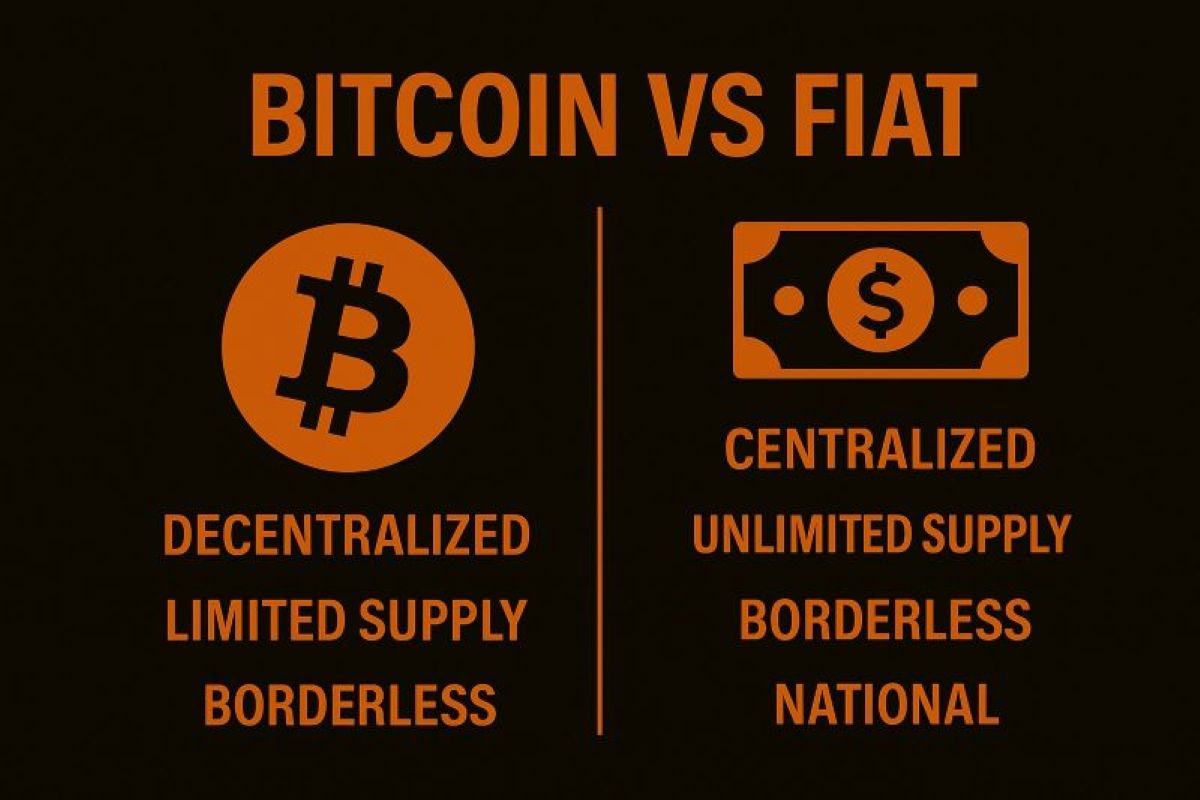
Table of Contents
First Things First: What the Heck Is Fiat Money?
Picture this: You're holding a crisp $20 bill (or whatever your local currency is). It feels real, right? You can buy coffee, pay rent, or splurge on that new gadget. But here's the kicker – that bill isn't backed by gold, silver, or anything tangible anymore. It's fiat money, derived from the Latin word meaning "let it be done." Basically, it's money because the government says so.
Fiat currencies like the US Dollar, Euro, or British Pound are declared legal tender by governments. They're not tied to physical commodities; their value comes from trust in the issuing authority.
Think about it: We all agree this piece of paper (or digital entry in your bank app) has worth because Uncle Sam or the European Central Bank promises it does.
A Quick History Lesson on Fiat (Without the Yawn Factor)
Fiat isn't some new invention. It kicked off big time in the 20th century, but roots go back to ancient China with paper money. Fast-forward to 1971: President Nixon shocked the world by ending the gold standard for the US Dollar. Before that, you could swap your dollars for actual gold. After? Poof – pure faith-based money.
Why the switch? Governments love fiat because it gives them control. They can print more during crises (hello, quantitative easing post-2008 crash or during COVID), stimulate economies, or fund wars without begging for gold reserves. Sounds handy, right? But here's where it gets spicy...
The Dark Side of Fiat: Inflation, Devaluation, and Endless Printing
Fiat's superpower is also its Achilles' heel. Unlimited printing leads to inflation – your money buys less over time. Remember when a candy bar cost a nickel? Yeah, that's inflation at work. In extreme cases, like hyperinflation in Zimbabwe or Venezuela, fiat turns into worthless confetti overnight.
Governments and central banks hold the reins, deciding interest rates, money supply, and bailouts. It's a centralized system, prone to manipulation, corruption, and boom-bust cycles. Market psychology plays a huge role too – fear of recession? Print more. Bullish economy? Tighten up. But who pays the price? Everyday folks like you and me, watching our savings erode.
Don't get me wrong; fiat works for daily life. But in a world of global debt skyrocketing (we're talking trillions), people are waking up to its flaws.
Now, Let's Talk Bitcoin: The Decentralized Antidote to Fiat's Woes
Alright, with fiat under our belt, Bitcoin suddenly makes a ton of sense. Created in 2008 by the mysterious Satoshi Nakamoto (still anonymous), Bitcoin is digital money that's not controlled by any government, bank, or corporation. It's peer-to-peer electronic cash, as Satoshi put it in the whitepaper.
At its core, Bitcoin is a blockchain – a fancy term for a public ledger that records every transaction ever made. No middlemen, no trust required beyond math and code. Here's the fresh take: Bitcoin isn't just "crypto" hype; it's a response to the 2008 financial crisis, where banks gambled with fiat and got bailed out while Main Street suffered.
How Does Bitcoin Actually Work? (Simplified, No Tech Jargon Overload)
Imagine a global notebook (ledger) where everyone can write but no one can erase. That's the blockchain. Bitcoin miners (computers solving complex puzzles) add new pages, verifying transactions and earning new Bitcoins as rewards.
- Limited Supply: Unlike fiat's endless printer, Bitcoin caps at 21 million coins. Ever. This scarcity mimics gold, driving value through supply and demand. As of July 2025, about 19.7 million are in circulation – halvings (events that cut mining rewards) keep it rare.
- Decentralized and Secure: No single point of failure. Thousands of nodes worldwide run the network. Hack one? The rest keep humming. Plus, cryptography makes it tamper-proof – way safer than a bank vault.
- Borderless and Fast: Send Bitcoin to anyone, anywhere, in minutes, for pennies. No forex fees, no waiting for bank approvals. In a fiat world of SWIFT delays and remittance rip-offs, this is revolutionary for global trade and migrants.
Bitcoin's price? Volatile as heck, influenced by adoption, regulations, halvings, and macro events. But zoom out: From pennies in 2010 to tens of thousands today, it's a hedge against fiat inflation. Think of it as digital gold – store of value, not just spending money (though Lightning Network makes quick payments a breeze).
Why Bitcoin Matters in 2025: Trends and Real-World Impact
We're in a Bitcoin boom era. ETFs are mainstream, nations like El Salvador hold it as reserves, and tech giants integrate it. But it's not all roses – energy debates (miners use power, but increasingly renewable), regulatory hurdles (watch for SEC moves), and market psychology swings (FOMO buys, fear sells).
For beginners: Start small, educate yourself, and HODL (Hold On for Dear Life). Enthusiasts? Dive into DeFi, NFTs on Bitcoin layers, or mining trends.
Wrapping It Up: From Fiat Flaws to Bitcoin Freedom
So, there you have it – fiat is the old guard, reliable but flawed with central control and inflation risks. Bitcoin? It's the fresh disruptor, empowering individuals with sound, scarce, unstoppable money. Whether you're here for education, trading tips, or just curiosity, Bitcoin isn't just an asset; it's a movement toward financial sovereignty