Bitcoin’s 21M Supply Cap & Halving Explained
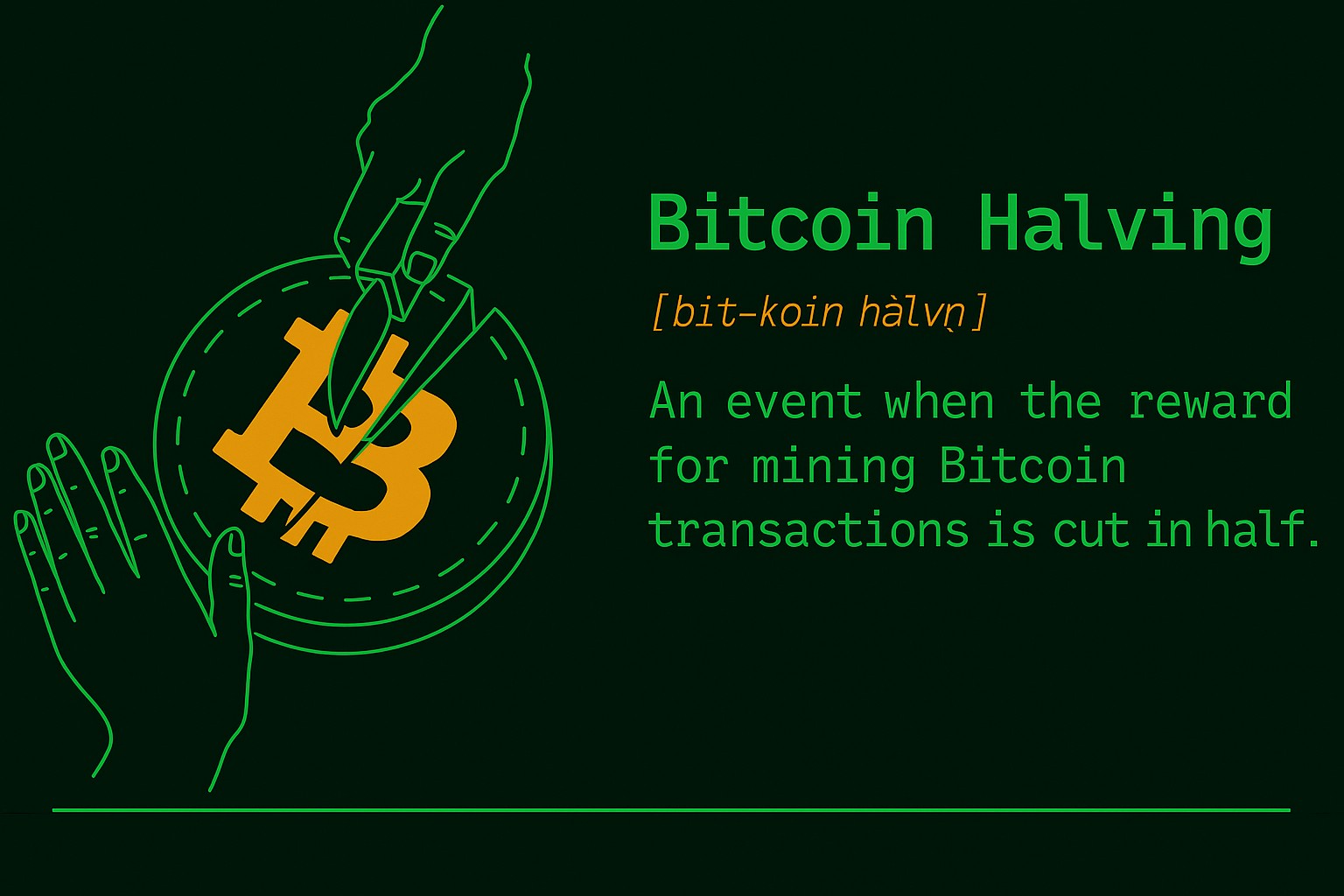
Bitcoin, often termed digital gold, derives much of its value from a fixed supply of 21 million coins, a rule set by its creator, Satoshi Nakamoto. This cap, combined with the Bitcoin halving mechanism, creates scarcity and shapes its economic role.
What makes Bitcoin’s 21 million supply cap and periodic halving so critical? These features define Bitcoin’s scarcity and economic model, distinguishing it from fiat currencies and even gold.
TL;DR
Bitcoin’s 21 million coin cap ensures scarcity, mimicking gold but with digital advantages. Halvings, occurring every four years, reduce new coin issuance, reinforcing value stability and inflation resistance through decentralized rules. This actually brings up an interesting topic: can Bitcoin’s cap be changed?
Key Insights
Fixed Supply: The 21 million coin cap limits Bitcoin’s total issuance, creating predictable scarcity unlike fiat currencies prone to inflation.
Halving Mechanism: Every four years, Bitcoin’s mining rewards halve, slowing new coin creation and increasing scarcity over time.
Decentralized Control: Network consensus and difficulty adjustments ensure the cap and issuance schedule are unchangeable without near-unanimous agreement.
Economic Impact: Scarcity drives demand, positioning Bitcoin as a potential hedge against inflation and a unique digital asset.
The 21 Million Supply Cap
Bitcoin’s protocol, outlined in Satoshi Nakamoto’s 2008 whitepaper, sets a hard limit of 21 million coins. This cap is enforced by:
Network Consensus: Every Bitcoin node validates transactions and blocks, rejecting any attempt to exceed the 21 million limit.
Gradual Issuance: New coins are minted through mining, with the total supply approaching 21 million by around 2140.
Immutable Rules: Altering the cap requires agreement from the decentralized network, a near-impossible feat due to Bitcoin’s distributed design.
This fixed supply creates digital scarcity, akin to gold’s limited availability, but with a known, verifiable cap, unlike gold’s uncertain total supply.
Bitcoin vs. Gold: Scarcity Compared
Bitcoin’s scarcity draws parallels to gold, but key differences highlight its strengths:
Feature | Bitcoin | Gold |
|---|---|---|
Supply Cap | Fixed at 21 million coins | Unknown, new deposits possible |
Verifiability | Instantly verifiable via blockchain | Requires physical testing |
Portability | Transferable globally in minutes | Heavy, costly to transport |
Divisibility | Divisible to 0.00000001 BTC (1 satoshi) | Limited divisibility |
Bitcoin’s digital nature and fixed cap make it a modern alternative to gold, with superior portability and verifiability.
Bitcoin Halving Mechanics
Bitcoin’s supply is released through mining, where miners validate transactions and earn block rewards. The Bitcoin Halving cuts these rewards in half roughly every four years (every 210,000 blocks), reducing the rate of new coin issuance. The schedule is:
2009: 50 BTC per block
2012: 25 BTC per block
2016: 12.5 BTC per block
2020: 6.25 BTC per block
2024: 3.125 BTC per block
2028 (expected): 1.5625 BTC per block
Halvings ensure slower supply growth, increasing scarcity as demand rises, which historically correlates with price appreciation.
Difficulty Adjustment for Stability
To maintain a consistent block creation rate of one every 10 minutes, Bitcoin’s protocol adjusts mining difficulty every 2,016 blocks (about 14 days). This difficulty adjustment responds to changes in network hashrate:
High Hashrate: If more miners join, difficulty increases to slow block production.
Low Hashrate: If miners drop off, difficulty decreases to maintain the schedule.
This mechanism ensures predictable issuance, prevents rapid supply exhaustion, and secures the network, making the 21 million cap enforceable.
Why Can’t Miners Speed Up Bitcoin’s Supply?
Miners can’t "print" more Bitcoin or speed up issuance. Here’s why:
Fixed Block Reward: Miners only receive what the protocol allows. The reward amount and halving schedule are enforced by every node in the network.
Block Time: On average, a new Bitcoin block is mined every 10 minutes, regardless of how many miners are online.
Difficulty Adjustment: To maintain this schedule, the network includes an automatic difficulty adjustment mechanism (more on this below).
The Bitcoin protocol is trustless and decentralized — meaning no central authority can change the rules to issue more coins.
Fun Facts
Why 21 Million? The cap may stem from Satoshi’s use of a triangular number (1+2+3+…+6, scaled up), aligning with the halving schedule to extend issuance to 2140.
Lost Bitcoin: An estimated 10-20% of Bitcoin (2-4 million coins) is lost due to forgotten keys, further reducing circulating supply.
Satoshi’s Motive: The fixed supply was a response to the 2008 financial crisis, aiming to create a currency immune to central bank inflation.
Mining Energy: Bitcoin mining consumes ~0.6% of global electricity (2023 estimates), securing the network while enforcing the cap.