Can Bitcoin’s 21 Million Supply Cap Be Changed? Exploring the Possibility

TL;DR:
Bitcoin’s 21 million supply cap is hardcoded into its protocol, but technically, it could be changed through a coordinated update to the code. However, the social, economic, and technical barriers—requiring consensus from developers, miners, node operators, and users—make it extremely unlikely. The cap is a cornerstone of Bitcoin’s value, and altering it would risk trust and a network split, as seen in past forks like Bitcoin Cash.
How Is the 21 Million Cap Enforced?
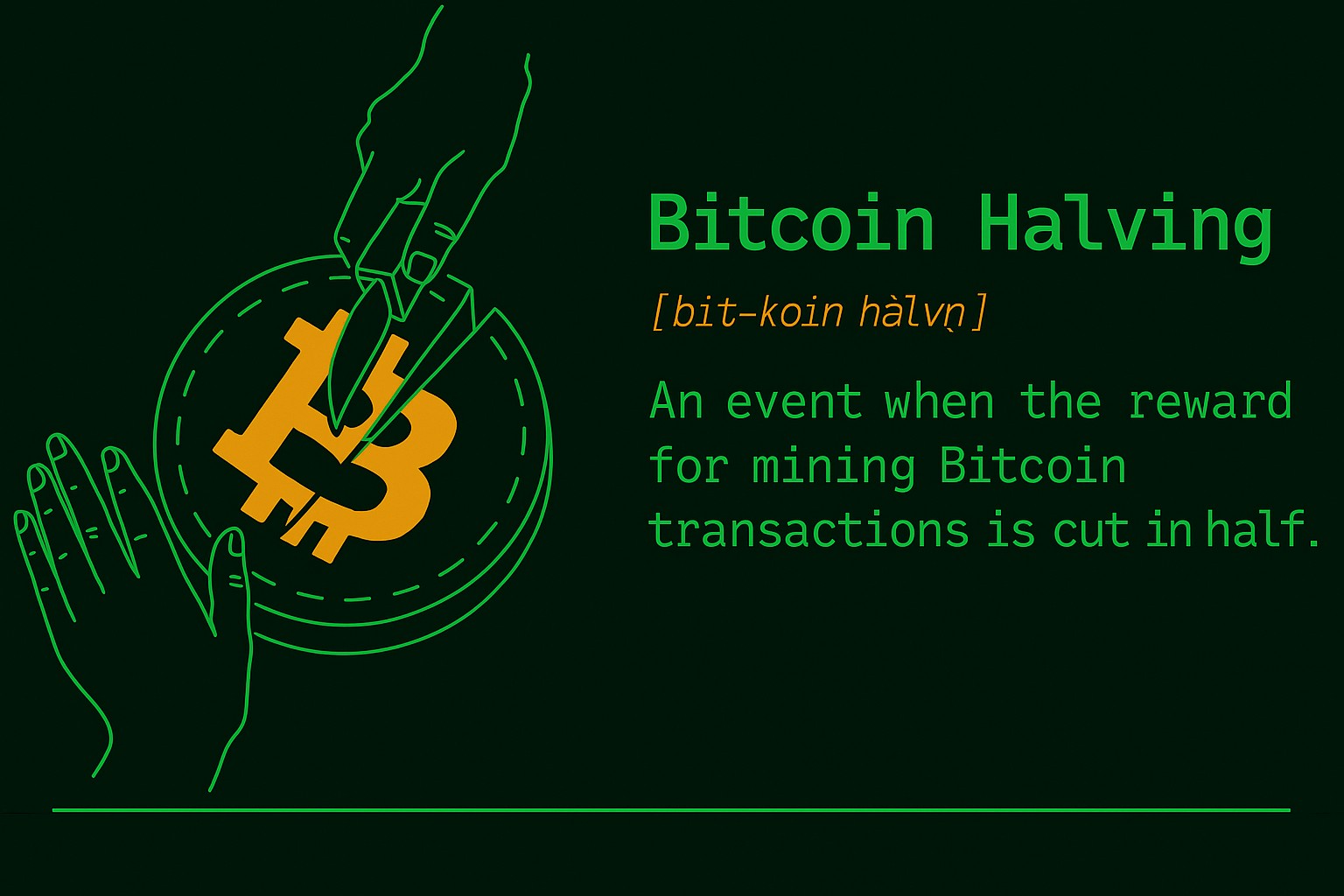
Bitcoin’s 21 million supply cap is embedded in its protocol through rules governing block rewards and the halving schedule, which cuts mining rewards roughly every four years until the cap is reached around 2140. As an open-source project, Bitcoin’s code can technically be modified, including the supply limit. Developers could propose and implement a change to increase the cap.
However, changing the code is only the starting point. For the change to take effect, the global Bitcoin network—comprising miners, node operators, wallet providers, exchanges, and users—must adopt the new rules. This consensus requirement is where the real challenge lies.
The Role of Consensus in Bitcoin’s Network
Bitcoin operates on a decentralized consensus model. Every full node (software run by users and miners) enforces the protocol’s rules. To change the 21 million cap, the following steps would need to align:
Developer Proposal: Core developers must write and release updated code altering the supply limit.
Miner Adoption: Miners, who secure the network by validating transactions, must run the new software.
Node Operator Agreement: Full nodes, operated by users worldwide, must accept the updated rules.
Ecosystem Support: Wallets, exchanges, and other infrastructure providers must also upgrade.
If a significant portion of the network rejects the change, a fork occurs, splitting the blockchain into two versions: one with the original 21 million cap and another with the new rules. The “real” Bitcoin would then be determined by economic consensus—whichever chain users, exchanges, and markets value more.
Why the Bitcoin Community Would Resist
The 21 million cap is more than a technical rule—it’s a social contract central to Bitcoin’s identity. The community would likely reject any attempt to increase the supply for these reasons:
Digital Scarcity: The cap ensures Bitcoin’s value as a scarce asset, appealing to investors seeking a hedge against inflation.
Predictable Monetary Policy: Bitcoin’s fixed supply and halving schedule provide trust and predictability, unlike fiat systems.
Satoshi’s Vision: Many Bitcoiners view the cap as a core principle set by creator Satoshi Nakamoto, making it nearly sacred.
Proposing a supply increase would spark immediate backlash on platforms like X, Reddit, and Bitcoin forums. The community’s strong opposition acts as a safeguard against such changes.
Could Miners Push for a Supply Increase?
Miners (read:understanding the bitcoin network, nodes, miners) might have a financial incentive to increase the supply. After the last Bitcoin is mined around 2140, their revenue will rely solely on transaction fees, which may be less profitable than block rewards. Could they advocate for more coins?
The answer lies in Bitcoin’s decentralized power structure. Miners alone cannot force a change. Even if all miners supported a supply increase, they’d need approval from node operators, exchanges, and users. Without this, their version of Bitcoin would lack economic value, as seen in past forks like Bitcoin Cash.
The Risks of Changing the Supply Cap
Attempting to increase the supply cap would likely cause a chain split, creating two competing blockchains. Historical forks provide insight into the outcome:
Bitcoin Cash (2017): Forked over block size disputes, it failed to overtake Bitcoin’s market cap or adoption. Read more about Bitcion Cash BCH here: Bitcoin Cash: History, Fork, Community and Why it didn't succeed.
Bitcoin SV (2018): Another fork that gained little traction compared to the original chain.
A supply cap change would be far more contentious, risking a permanent loss of trust in Bitcoin’s monetary policy. Exchanges, institutional investors, and long-term holders would likely support the original 21 million cap chain, relegating the new chain to a niche altcoin.
Conclusion
While technically possible, changing Bitcoin’s 21 million supply cap is practically unfeasible due to the need for near-universal consensus across a decentralized network. The cap is not just code—it’s a foundational principle backed by a community that values scarcity, trust, and predictability. Any attempt to alter it would likely result in a fork, with the original Bitcoin retaining dominance.
Fun Facts About Bitcoin’s 21 Million Cap
Satoshi’s Choice: The 21 million cap was deliberately chosen by Satoshi Nakamoto to mimic the scarcity of precious metals like gold, reinforcing Bitcoin’s “digital gold” narrative.
Final Bitcoin: The last Bitcoin is projected to be mined around 2140, thanks to the halving schedule that reduces block rewards every four years.
Fork Precedents: Past forks like Bitcoin Cash (2017) show that changes to Bitcoin’s core rules face fierce resistance and rarely succeed in overtaking the original chain.