Understanding the Bitcoin Network: Nodes, Miners, and How It All Works
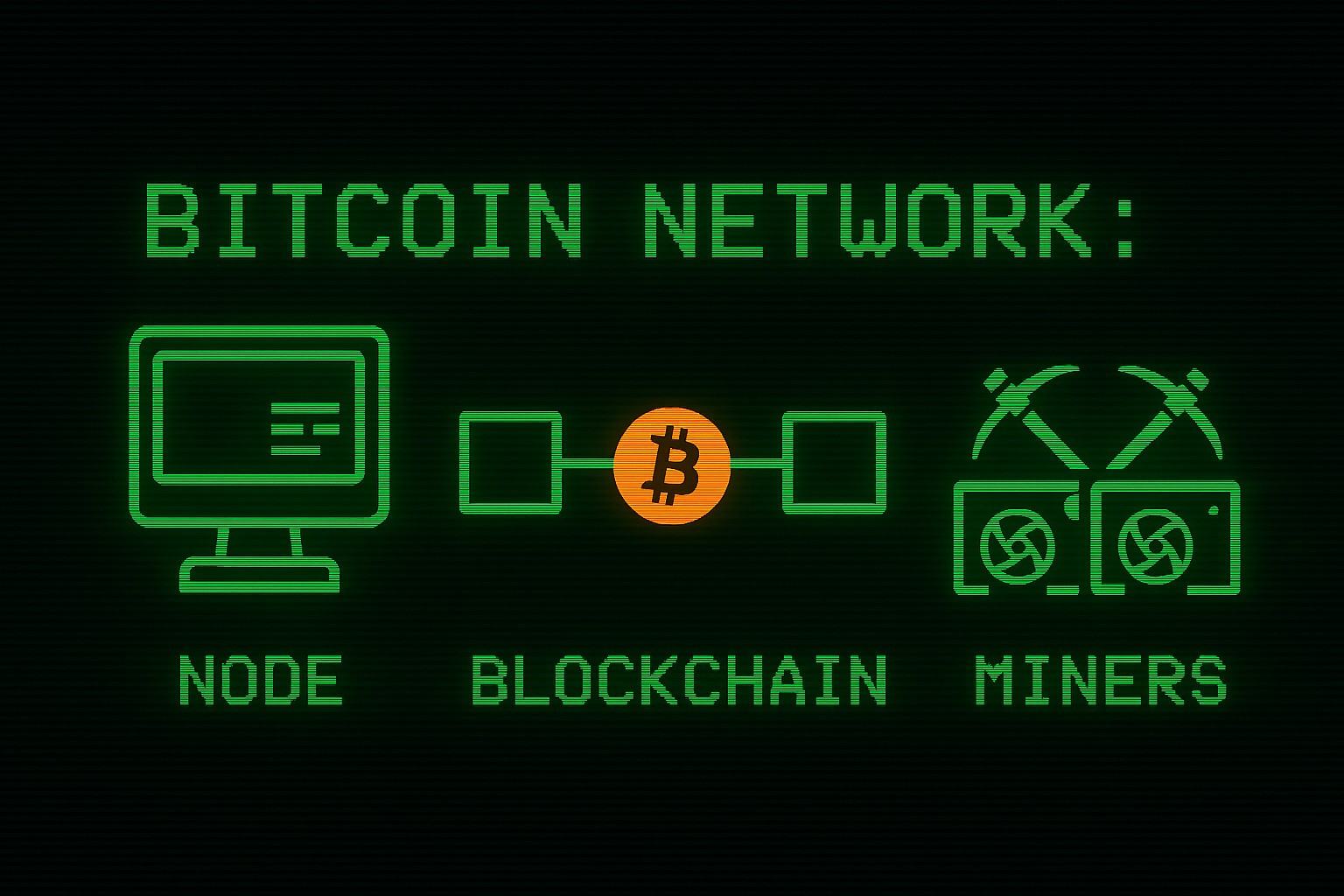
Welcome to the fascinating world of the Bitcoin network—a decentralized system that’s been running smoothly since 2009, without a central bank or a single leader. This isn’t just technology; it’s a global collaboration where everyday people, dedicated nodes, and hardworking miners team up to keep Bitcoin (BTC) thriving.
TL;DR (Too Long; Didn't Read)
The Bitcoin network is a decentralized system that powers BTC without a central authority. Nodes are computers that store the blockchain, verify transactions, and keep the network honest, with over 15,000 active worldwide. Miners solve complex puzzles to add new blocks, earning 3.125 BTC per win, and secure the chain with massive computing power. Blocks link via hashing, making the blockchain tamper-proof. This partnership ensures Bitcoin’s security, decentralization, and resilience join by running a node or mining.
What’s the Bitcoin Network All About?
It's all about blockchain.
Imagine a shared digital ledger spread across thousands of computers worldwide, tracking every Bitcoin transaction with precision—no middleman, no interference, just a peer-to-peer setup where math and code take the lead. That’s the Bitcoin network! It processes transactions, secures the blockchain (that tamper-proof record of every BTC move), and ensures everyone follows the same rules.
But who keeps this system running? Meet the key players: nodes and miners. Think of nodes as the careful librarians maintaining Bitcoin’s history books, while miners are the dedicated workers adding new pages. Together, they create a secure and reliable network.
Nodes: The Watchdogs of Bitcoin’s Ledger
Nodes are the unsung heroes—everyday computers (from an old laptop to a powerful server) running Bitcoin’s software and holding the entire blockchain. As of August 2025, that’s over 600,000 blocks of history, capturing every pizza purchase, tip, and trade since the beginning.
Here’s what makes nodes essential:
Blockchain Keepers: They store every transaction ever made—over 600GB of data and growing—ensuring nothing gets lost.
Transaction Cops: When you send BTC to a friend, nodes verify you have the funds and that the transaction follows Bitcoin’s rules. No double-spending allowed!
Gossip Central: Nodes share transactions and new blocks with others across the globe to keep everything in sync.
Running a node is like joining Bitcoin’s community watch—you don’t need fancy equipment, just a good internet connection and some storage space. With over 15,000 reachable nodes (and likely tens of thousands more behind the scenes), this group makes Bitcoin incredibly resilient.
Miners: The Puzzle-Solving Rock Stars
Now, let’s explore miners—the hardworking heroes of the Bitcoin world! These individuals (or their powerful machines) mint new Bitcoins and strengthen the blockchain. It’s a competitive process that requires skill and energy.
Here’s what miners do:
Crack the Code: Miners solve a cryptographic puzzle called proof-of-work to add a new block of transactions every 10 minutes. It’s like a global brain teaser with big rewards!
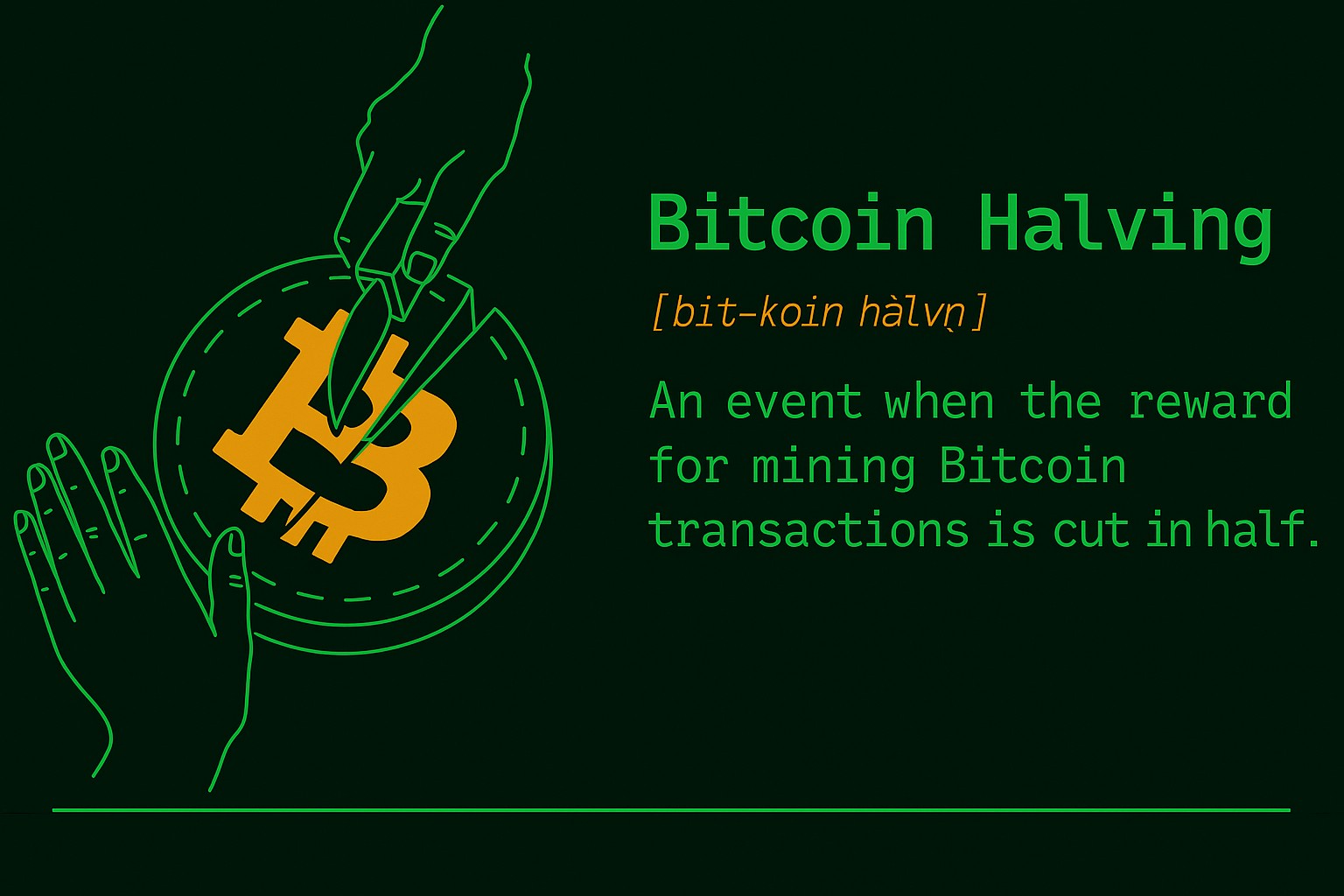
Cash the Prize: The winner earns 3.125 BTC (after the 2024 halving) plus transaction fees—potentially over $100,000 per block at 2025 prices. That’s a significant incentive!
Fortify the Chain: Each block added makes the blockchain harder to hack. It’s like building a sturdy wall—tampering becomes nearly impossible!
Mining requires specialized equipment (ASICs), plenty of electricity, and strategic planning. Miners are spread across the globe—China, the U.S., Kazakhstan, and beyond—many now using renewables like hydro and solar for a greener approach in 2025. The network’s hashrate is so massive it could outcompute an army of supercomputers.
How Blocks Connect?
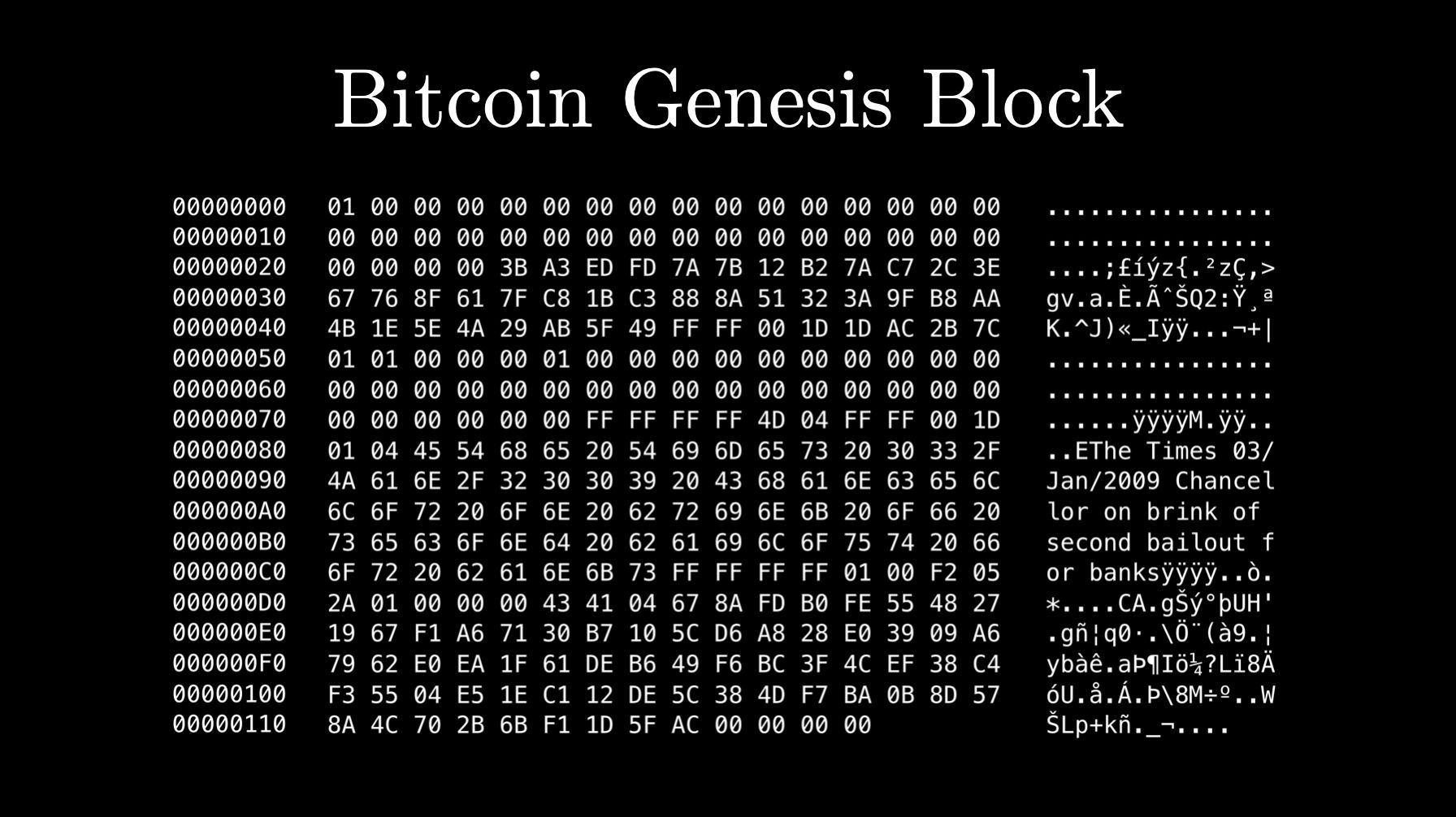
Hashing is like sealing each block with a digital wax stamp. Once a block is full of transactions, a hash is generated from all its data sort of like compressing all the details into a unique code. That hash is then included in the next block, linking them together.
This connection means:
If someone tries to change a past transaction (say, changing 0.21 BTC to 21 BTC), the hash changes.
That mismatch breaks the chain, signaling something’s wrong.
To fake just one transaction, you'd have to redo the math for every block after it—impossibly hard and super expensive.
That’s why Bitcoin’s blockchain is often called "immutable"—it’s locked in place by math and consensus.
The Nodes-Miners: A Perfect Partnership
Here’s how this team works together:
You Make a Move: You send 1 BTC to buy a pizza. Your wallet shares it with nearby nodes.
Nodes Verify: They check your balance and spread the word, adding it to the mempool (the transaction waiting room).
Miners Jump In: Miners grab transactions, bundle them into a block, and race to solve the proof-of-work puzzle.
Nodes Seal the Deal: The winning block is shared, nodes double-check it, and—voila!—your pizza payment is locked into the blockchain.
This process happens every 10 minutes, driven by miners’ energy which tracks the hashrate’s rise with Bitcoin’s price. Nodes ensure miners follow rules, like Bitcoin’s 21 million coin limit.
Why This Matters: Bitcoin’s Superpower
This isn’t just technology—it’s a game-changer! The Bitcoin network’s combination of nodes and miners delivers:
Unstoppable Decentralization: With nodes worldwide, no one can shut it down. It’s a resilient system built to last.
Ironclad Security: The blockchain’s hash-linked blocks make tampering a nightmare—perfect for a censorship-resistant network.
Global Collaboration: From home-run nodes to eco-friendly mines, this network thrives on diverse participation.
Has the Bitcoin Network Ever Gone Down?
Short answer: Not really! The Bitcoin network has been running non-stop since its launch on January 3, 2009, making it one of the most reliable systems ever. However, there have been a couple of hiccups worth noting:
The 2010 Value Overflow Incident (CVE-2010-5139): Early in Bitcoin’s life, a bug caused a temporary glitch where a transaction was processed incorrectly. The network paused briefly as nodes updated, but it recovered within hours. This was more of a software stumble than a full shutdown.
2013 Fork (CVE-2013-3220): A software update caused a temporary split (fork) in the blockchain, leading to some confusion. Miners and nodes quickly synced up, and the network was back to normal in less than a day.
These incidents didn’t bring Bitcoin down completely—thanks to its decentralized design, the network self-heals as nodes and miners adjust. Unlike centralized systems (think bank servers crashing), there’s no single point of failure. Even if some nodes or miners go offline, others pick up the slack. In 2025, with a robust hashrate and thousands of nodes, Bitcoin’s uptime is a jaw-dropping 99.98%, proving it’s built to last!