The Untold History of Bitcoin (and the Ghost Who Built It)
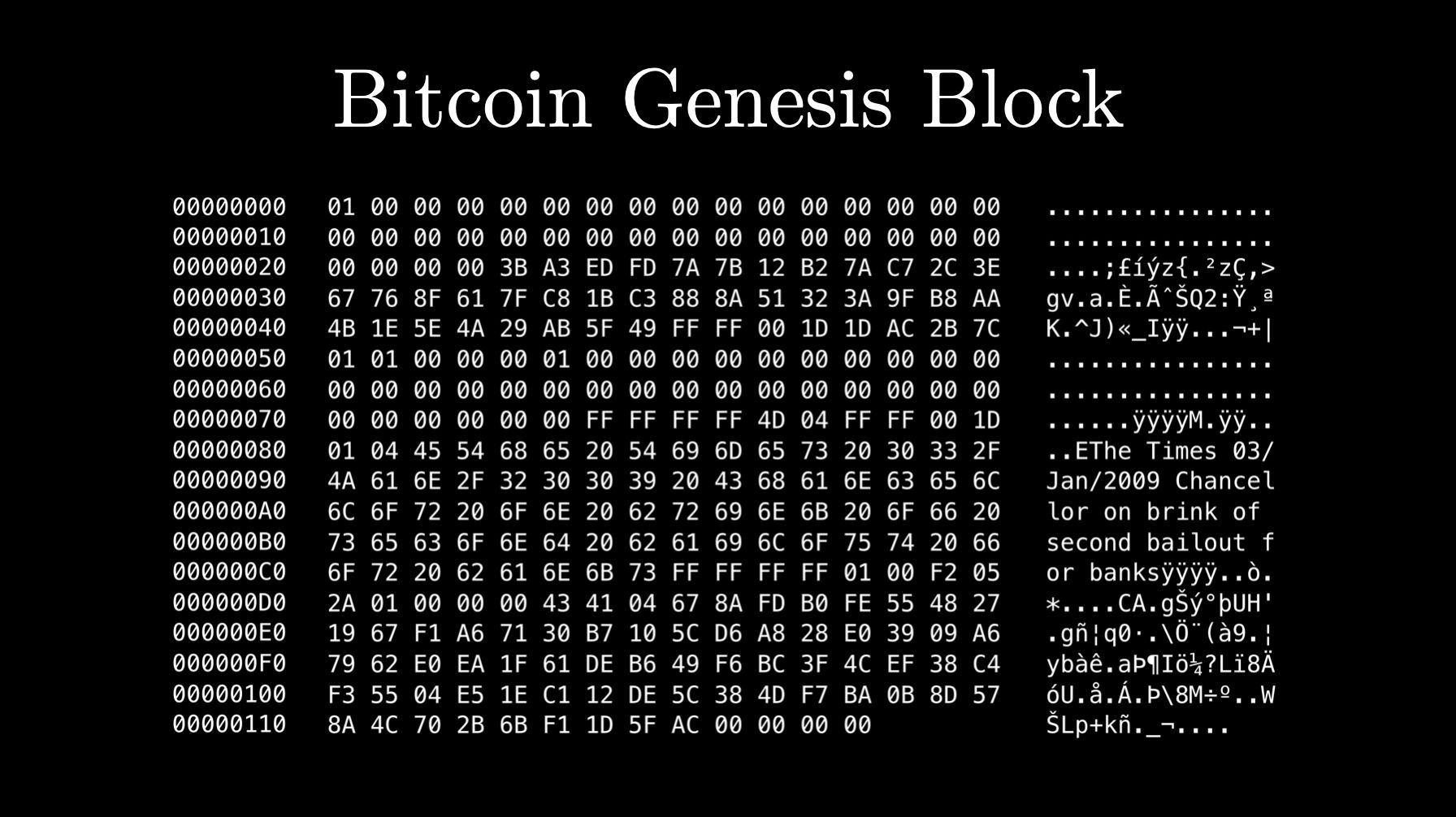
Table of Contents
TL;DR
In 2008, amid a crumbling financial system, a ghost named Satoshi Nakamoto released Bitcoin: a way to take back control of money, without banks, borders, or permission
No VC. No HQ. No marketing. Just code, math, and mission.
Let’s trace the path from that quiet whitepaper to today’s unstoppable network, and uncover why it still matters in 2025 and beyond.
It Started With a 9-Page PDF
October 31, 2008. While the world was watching banks collapse, a quiet post landed on a cryptography mailing list.
Subject: "Bitcoin P2P e-cash paper"
From: Satoshi Nakamoto
“I have been working on a new electronic cash system that is entirely peer-to-peer, without a trusted third party validator”
The paper lays out a vision: Digital money that runs on math, not mandates. No central servers. No single point of failure. Proof-of-work to stop fakes, a chain of blocks to record everything.
It was a direct hit at the flaws in our money—endless printing, surveillance,
exclusion.
Read it here: Bitcoin: A Peer-to-Peer Electronic Cash System
The Genesis Block: A Message in Code
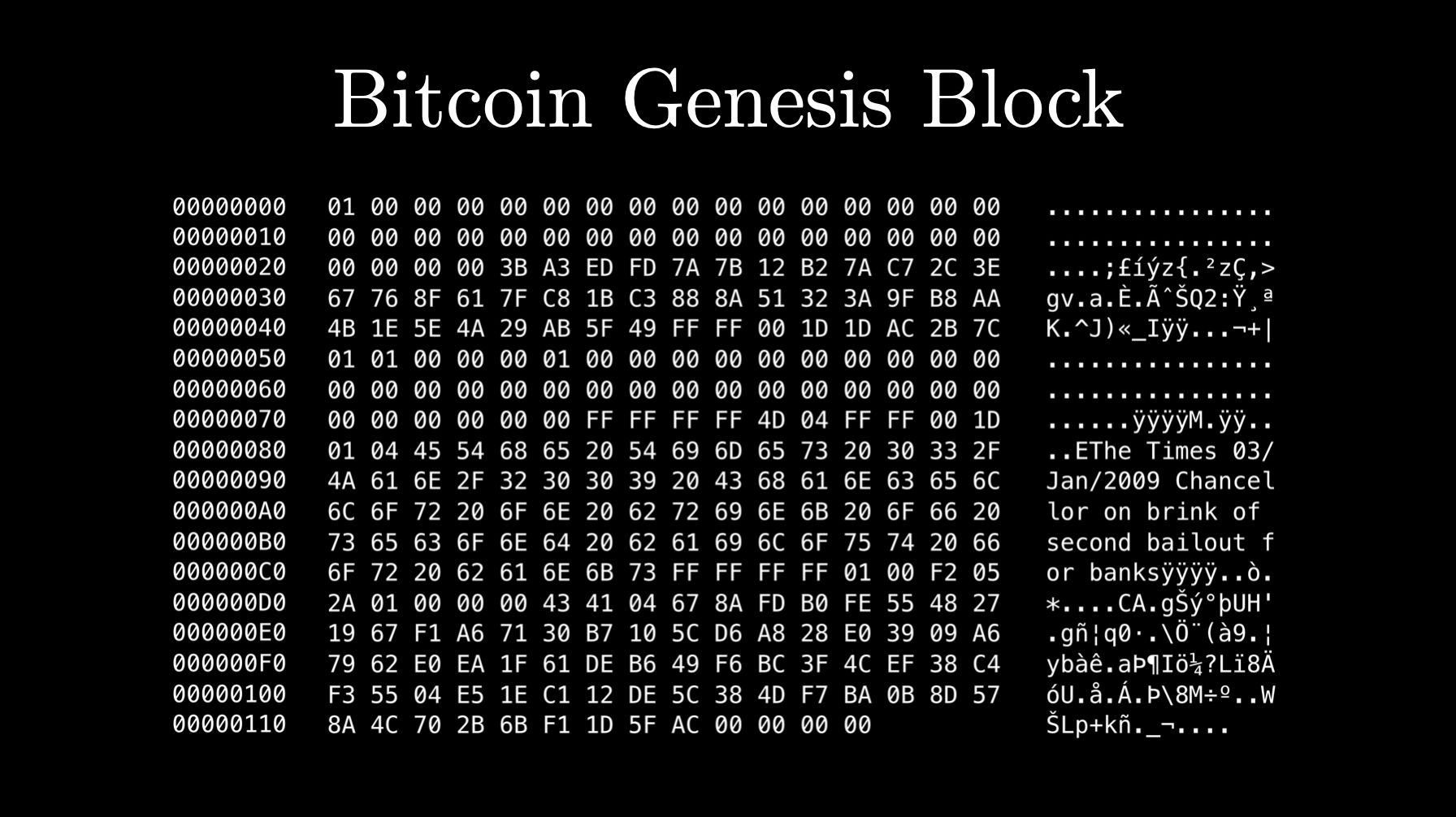
"Chancellor on brink of second bailout for banks."
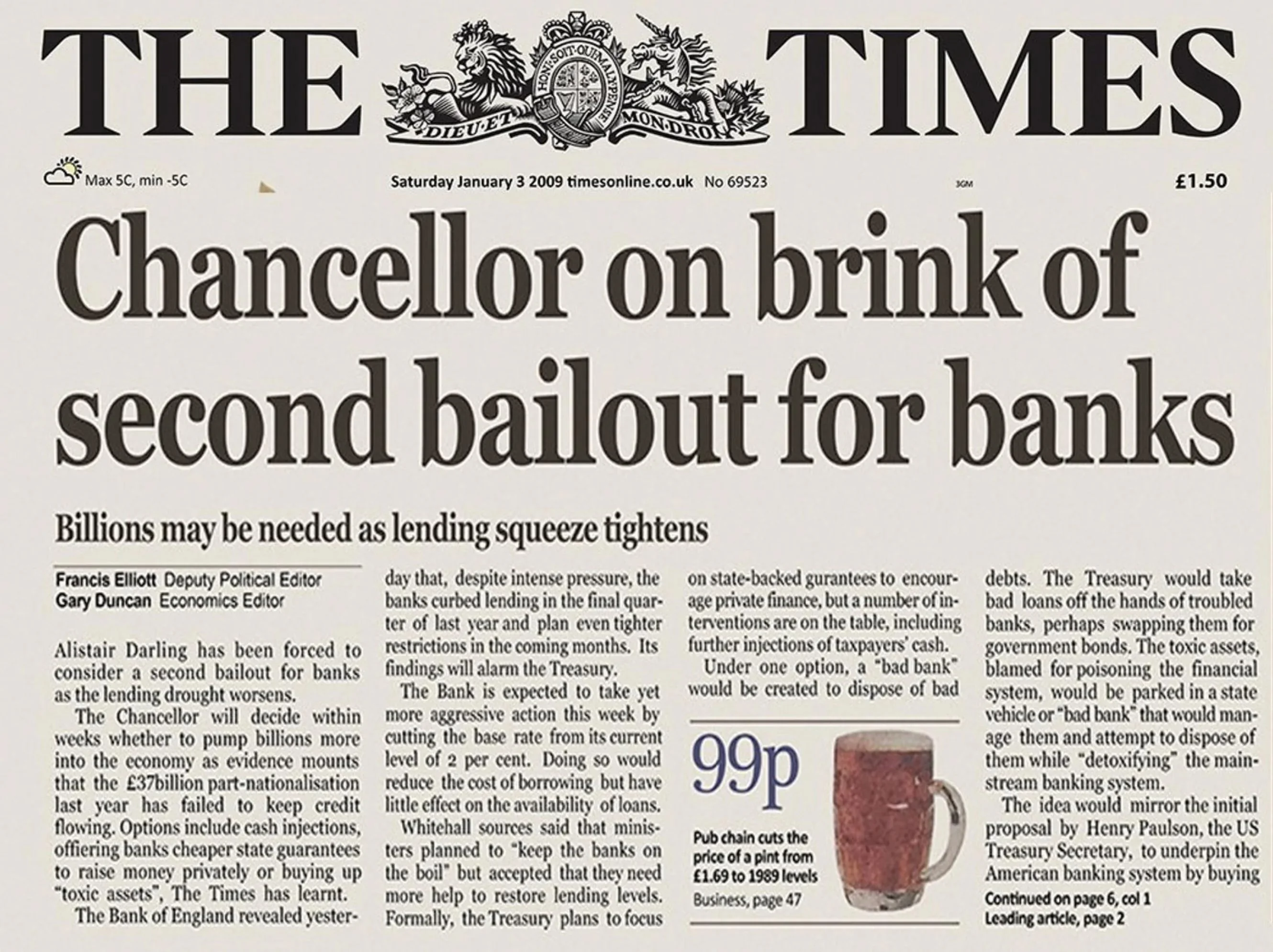
Satoshi made a statement It was a powerful critique of the traditional financial system, referencing a headline from The Times newspaper. Satoshi used it to underline Bitcoin’s purpose: to create money independent of failing banks, bailouts, and government control.
Bitcoin launches with a hard coded cap: 21 million coins forever. Like gold, but digital. Scarce by design to prevent inflantion.
First Transaction, First Community
January 12, 2009: Satoshi sends 10 BTC to Hal Finney, a cryptographer who saw the potential early.

From there, a ragtag group forms—coders fixing bugs, miners securing the chain, thinkers spreading the word. No marketing budget. Just shared belief in something unbreakable.
Satoshi Nakamoto Disappears
By December 2010, Satoshi steps back. Hands the keys to developers like Gavin Andresen.
April 23, 2011, marks the last known communication from Satoshi Nakamoto, who quietly exited after sending one final note to the Bitcoin development community.
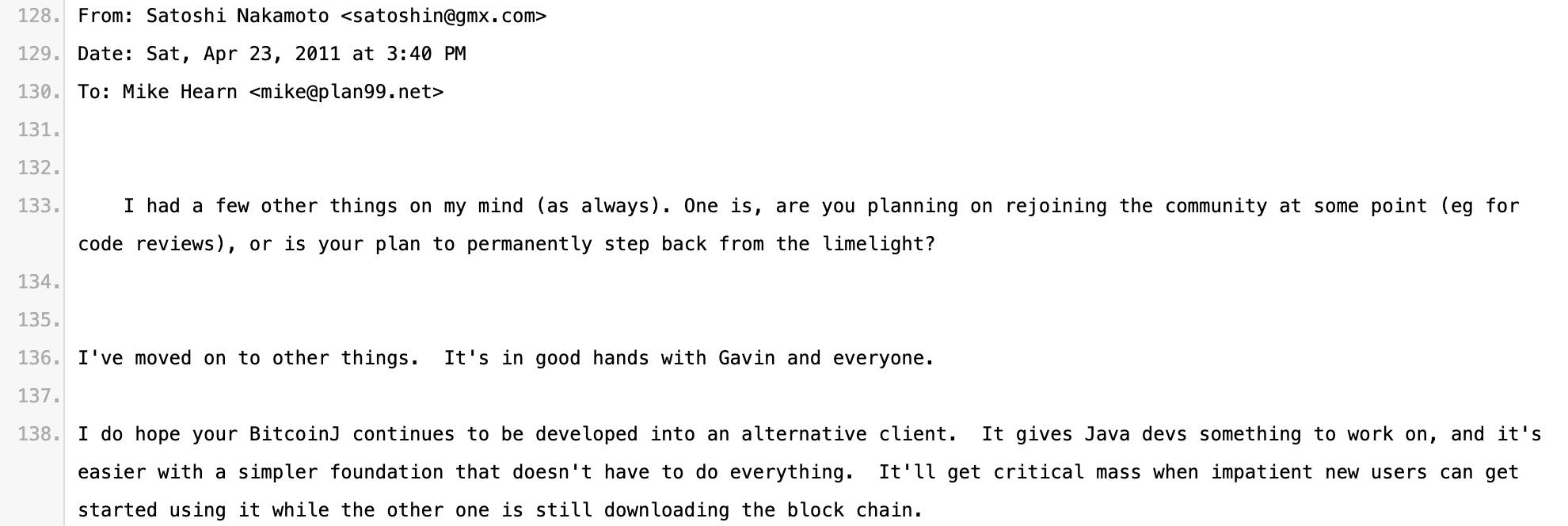
Gone. No trace. No glory. Those early-mined coins—about 1 million BTC—sit dormant, a testament to the mission over personal gain.
Fun Facts
🍕 The infamous pizza: May 2010, 10,000 BTC for two Papa John's pies. Today? Over $1.5 billion.
👻 Most experts agree Satoshi Nakamoto is a pseudonym. No verifiable person with that identity has stepped forward, and all attempts to uncover their real identity remain unconfirmed or speculative.
📬 Forum posts show British spellings: "Favour," "colour." Hints at origins, but no proof.
🧊 Early Bitcoin ran on command lines only—no fancy apps. Pure, raw access.
🎭 Claims to be Satoshi? Several individuals have claimed (or been suspected) to be Satoshi Nakamoto, but none have provided conclusive cryptographic proof, such as signing a message with the private keys from Satoshi’s known Bitcoin wallet.
Why This History Matters Today
The history of Satoshi Nakamoto matters because it holds the philosophical core of Bitcoin: a system born out of distrust in traditional finance, designed by an anonymous figure who asked for no credit, took no profit, and walked away.
This origin story continues to shape how Bitcoin is perceived: as decentralized, leaderless, and resistant to control.
It’s the core of Bitcoin’s push for decentralization and distrust in centralized control, which still holds weight in 2025 as ETFs and treasuries adopt BTC amid ongoing issues with inflation and oversight